

EQUINE VETERINARY PHYSIOTHERAPY
why Choose Physiotherapy
How We Can Help
Veterinary physiotherapy can be beneficial alongside veterinary treatment to aid the rehabilitation of horses with musculoskeletal or neurological conditions/injuries. It can also be used for general condition maintenance and to enhance performance by improving muscle strength, stride length, and endurance.
Some of the common reasons for equine physiotherapy include:
- Soft tissue injuries
- Neurological conditions
- Lameness
- Reduced performance
- Back pain
- Sudden onset of unwanted behaviours
- Kissing spines- conservative management or post-operative treatment
- Fibrosis
- Osteoarthritis
- Upward fixation of the patella
services
What To Expect
STATIC AND DYNAMIC ASSESSMENT
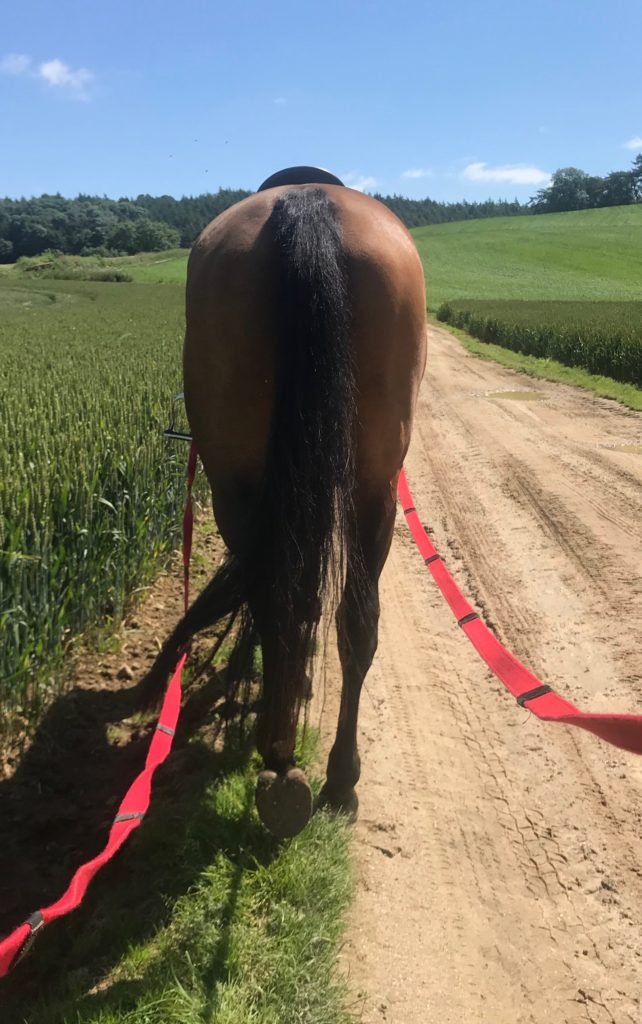
After the therapist has taken some history about your horse they will then make a visual assessment of them whist standing and moving. This may need to be done outside on a flat surface to make sure there is enough space to make an accurate assessment, this is where as an owner you will need to be involved to handle and trot up your horse.
PALPATION
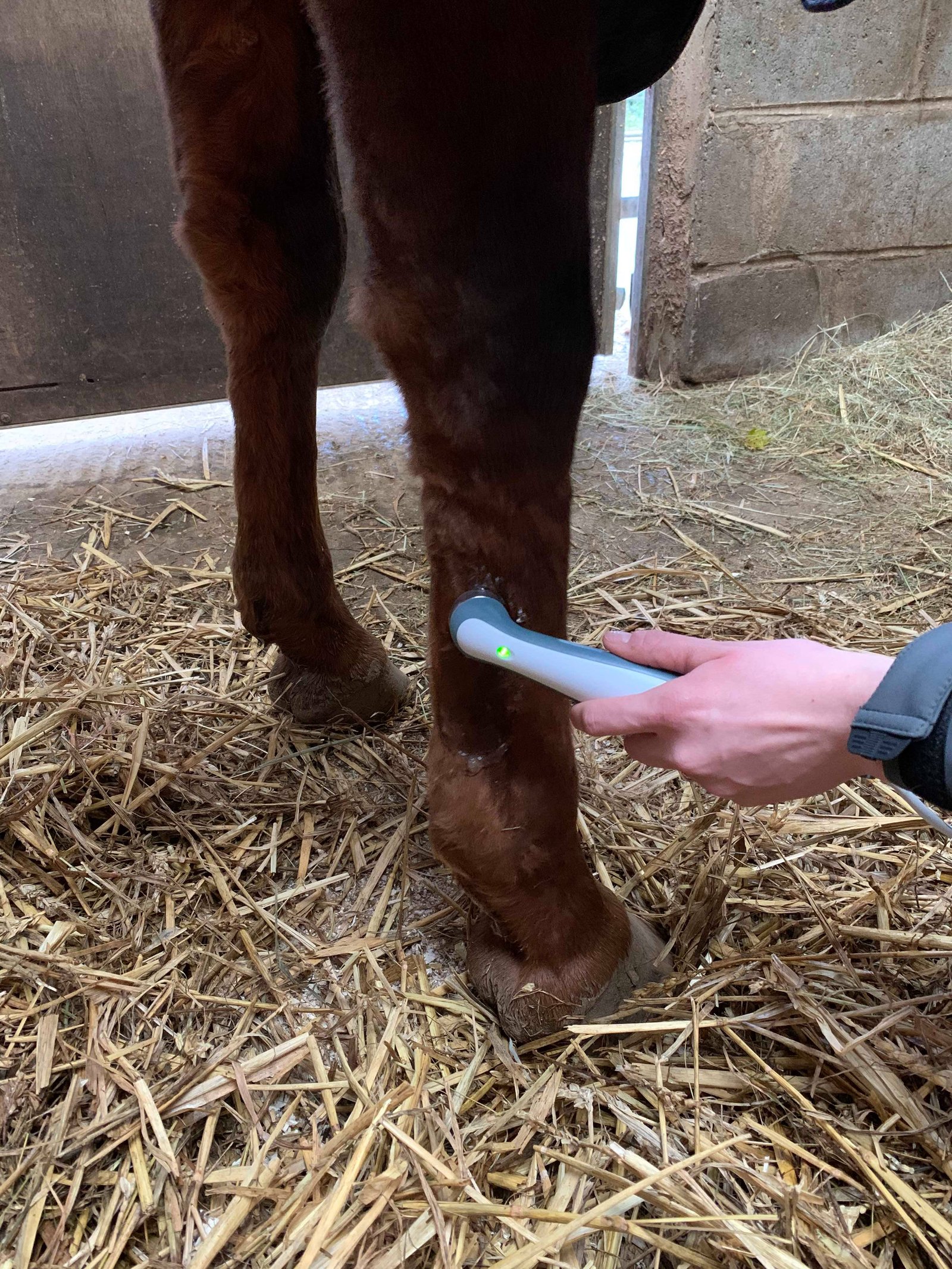
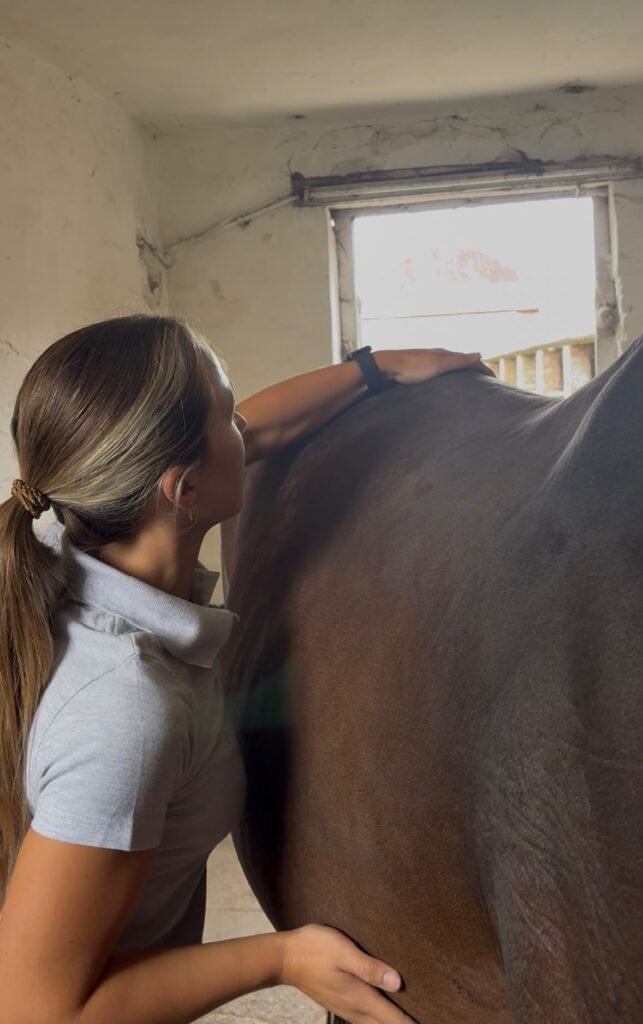
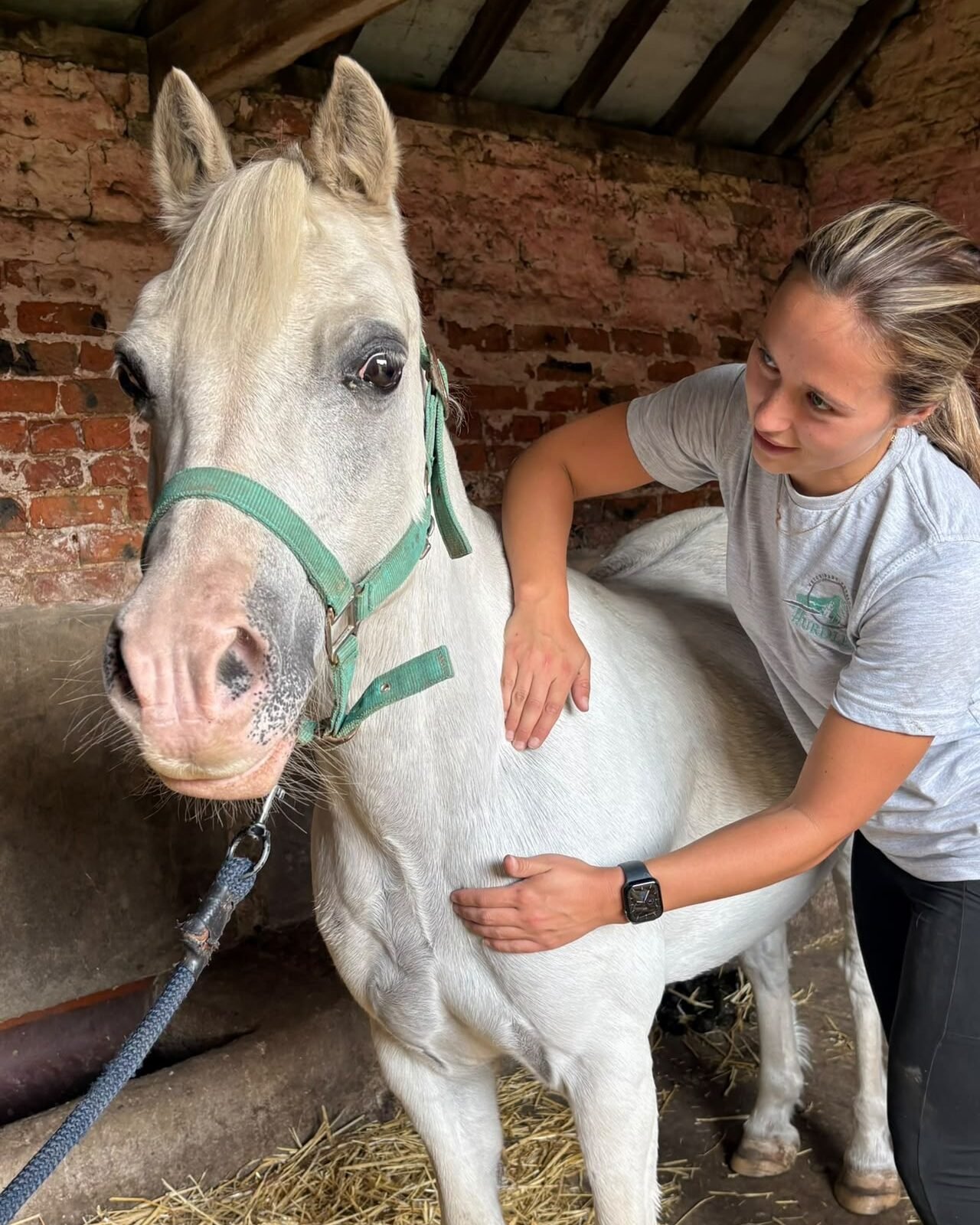
The therapist will then palpate your horse to detect any areas of pain or tension. For the therapist to clinically reason the treatment plan they need to understand the tissue state and degree of discomfort, so that the appropriate manual techniques or electrotherapies are chosen for the type and state of the tissue.
RANGE OF MOTION
During the range of motion assessment, each joint and the surrounding tissues are assessed to understand their current level of function and to discover any tissue restrictions that may need addressing.
TREATMENT
These assessments will be performed at each visit to monitor any reactions and changes to the tissue or joints.
These are hands-on techniques that can be used to target soft tissues, as they are useful in reducing muscle spasms, adhesions, relieving pain, mobilising deep structures and improving joint mobility, whilst being a non-invasive tool that can be applied to the majority of cases.
- Soft tissue release techniques, including deep massage, trigger point work, and myofacial release.
- Passive stretches and range of movement exercises.
- Reflex inhibition techniques, which use the horse’s natural reflexes to stretch soft tissues and move joints.
- Laser
- Ultrasound
- Pulsed electromagnetic
- TENS
- NMES
- Cryotherapy
- Thermotherapy
After sessions, when applicable, a remedial exercise program may be prescribed. This will be prescribed to the individual’s case and will involve one or more, small exercises to be carried out by yourself in order to provide continuity between treatments and to reach your end goals. All exercises will be demonstrated in order to ensure you are fully comfortable.
- Muscle-strengthening exercises
- Balance and coordination exercises
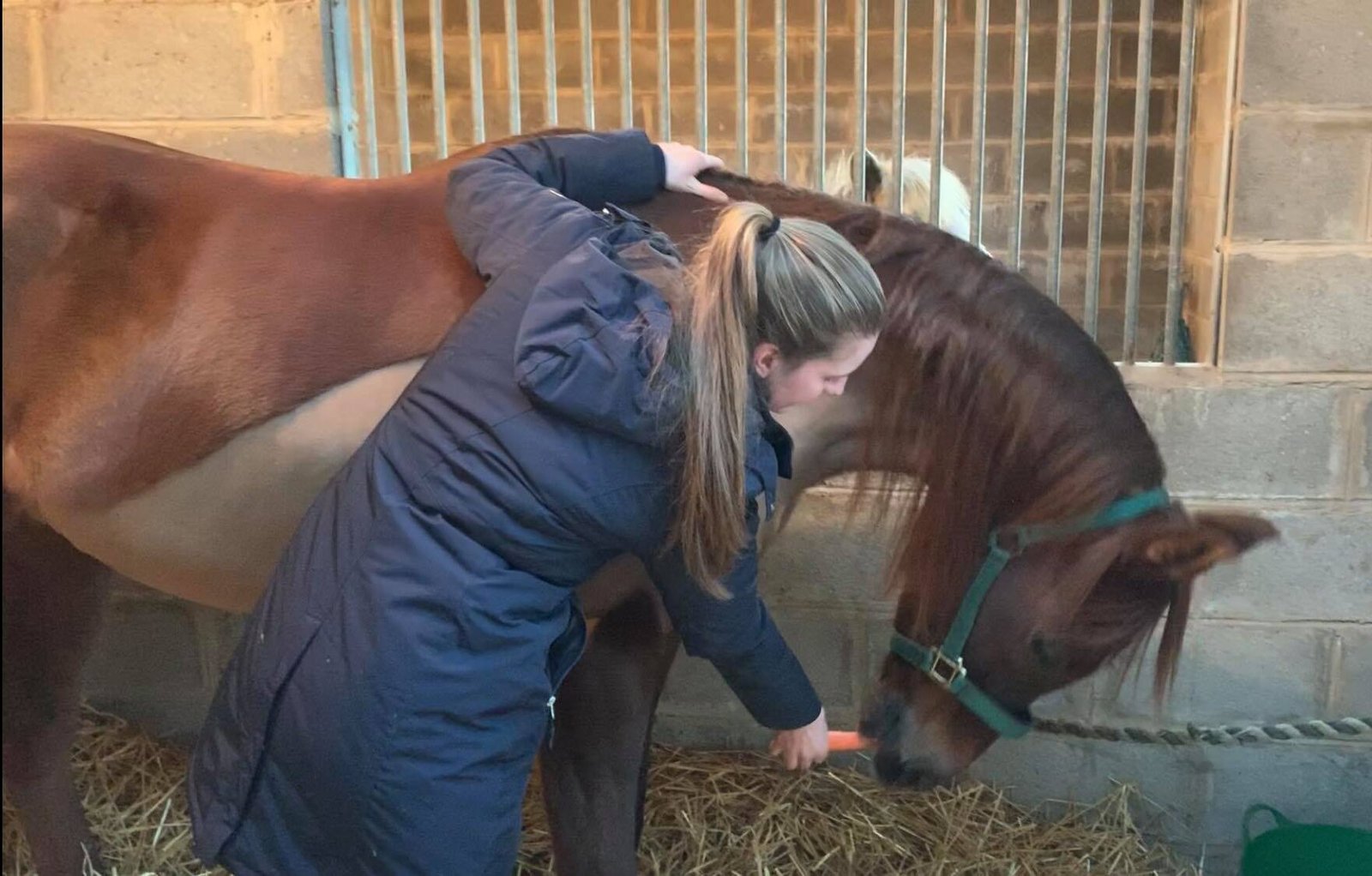
- Baited stretches
- Re-training functional activities and movement patterns
- Training and schooling advice
- Core stabilising exercises